Volumetric
More finish off site. Watch transport envelope and crane weight.
An application name is only the start. CivicBridge Sourcing asks what the building must do on the site, then which offsite method can carry that duty. The four labels below are comparison tags, not a claim that this desk manufactures any of them.
More finish off site. Watch transport envelope and crane weight.
Flatter loads. More site assembly and weather exposure.
Shipping state and opened size both need dimensions.
Clear span, eave height, and loads drive the frame.

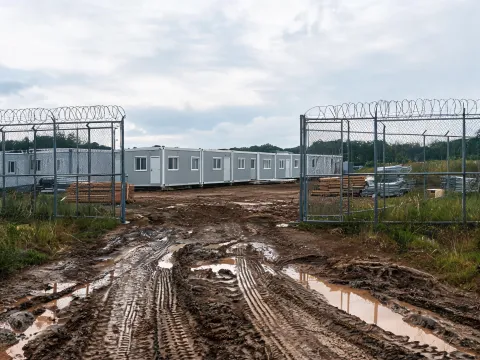
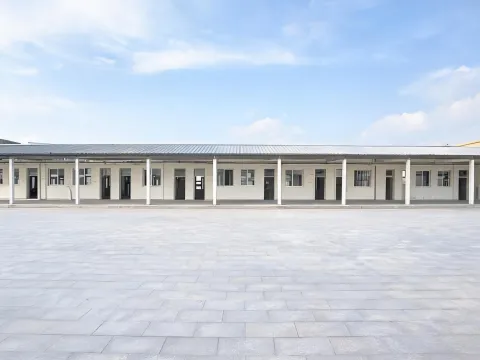
Confirm headcount per room, how long the compound stays, and whether modules will be relocated. Floor live load for filing and samples, stair and ramp responsibility, and skirt or foundation interface should be explicit. Linked units need a stated corridor fire and egress assumption. Access for the transport envelope often matters more than the brochure width.
Classroom occupancy, acoustic separation, and the authority having jurisdiction sit ahead of finish color. Ask whether the unit is reviewed as modular construction under the state program or as a different occupancy path. Do not mix that question with HUD Code manufactured housing or an RV label. Ramp slope, restroom count, and who energizes the building belong in the exclusion list.
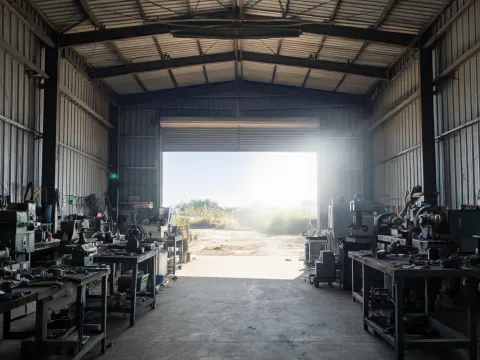
Clear span, eave height, bay spacing, and door size decide the primary frame. If a crane is inside the building, the crane load is not the same as the roof live load. Ground snow load and wind exposure category still apply to a simple shelter. A storage search should also say whether racking is inside the quote or left to the buyer.
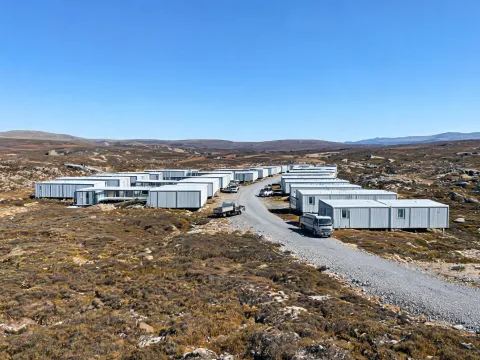
Sleeping, wash, and kitchen counts are the brief, not a marketing photo of a camp. Utility scope, wastewater, and fire separation between blocks need owners. Volumetric modules reduce site joinery; panelized or foldable packages may pass a tighter road. Either way, the crane lift plan and the opened versus folded size should be written before prices are lined up.
These are blank-form examples, not a building this desk has supplied. A site-office module might be written as 12 ft by 40 ft with an 8 ft eave and a 50 psf floor design live load. A workshop brief might name a 40 ft clear span, a 20 ft bay spacing, and a 16 ft eave height. A camp block might state 24 sleeping spaces and a separate wash module. Wind speed stays in mph, ground snow load in psf, and the seismic design category is copied from the project engineer or marked unknown.
Primary frame and secondary framing should be named. If the quote uses cold-formed steel, say so; do not let a purlin and girt package hide inside a single roof price. Insulated metal panel notes should carry thermal transmittance. A transport envelope near 12 ft wide is a road question, and the foundation interface still needs an owner. Design dead load is a separate line from the live load. A crane lift plan names who supplies the crane.
Standard repeatable units are easier to compare when the site fits published sizes. A custom clear span or an unusual foundation interface belongs in a project-specific engineering request. Shell pricing leaves local trades with the buyer. A broader scope still needs exclusions for permits, soils, and utilities. Those three trade-offs are decisions, not slogans.
Continue with the inquiry categories or send the site constraints.
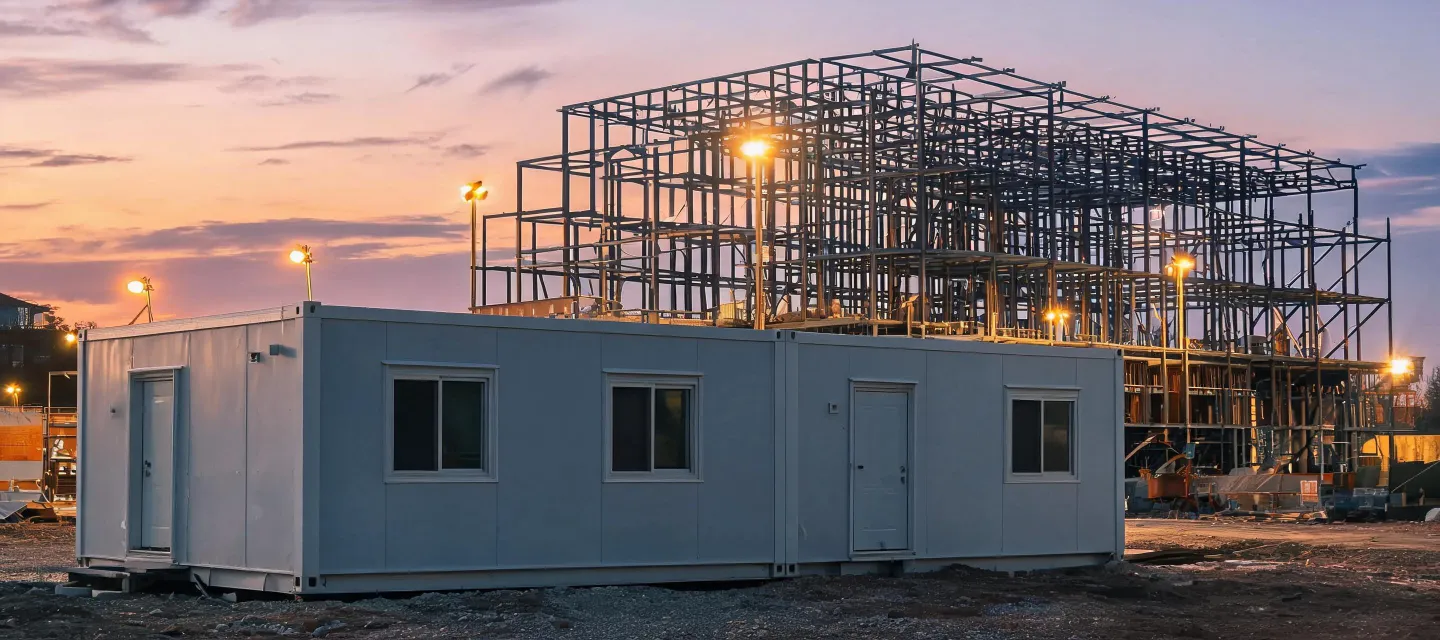
Road limits, crane access, and the jurisdiction change which method is even quotable. Describe them in the form.
Qualified buyer support
Eligible first-order sourcing support may be available up to 3% after the brief is reviewed.
Eligibility applies to qualified business buyers and is confirmed after we review your product, quantity, destination, and sourcing requirements.
Submit procurement requirements